


Reach for the Stars: How Space Travel Improves IT

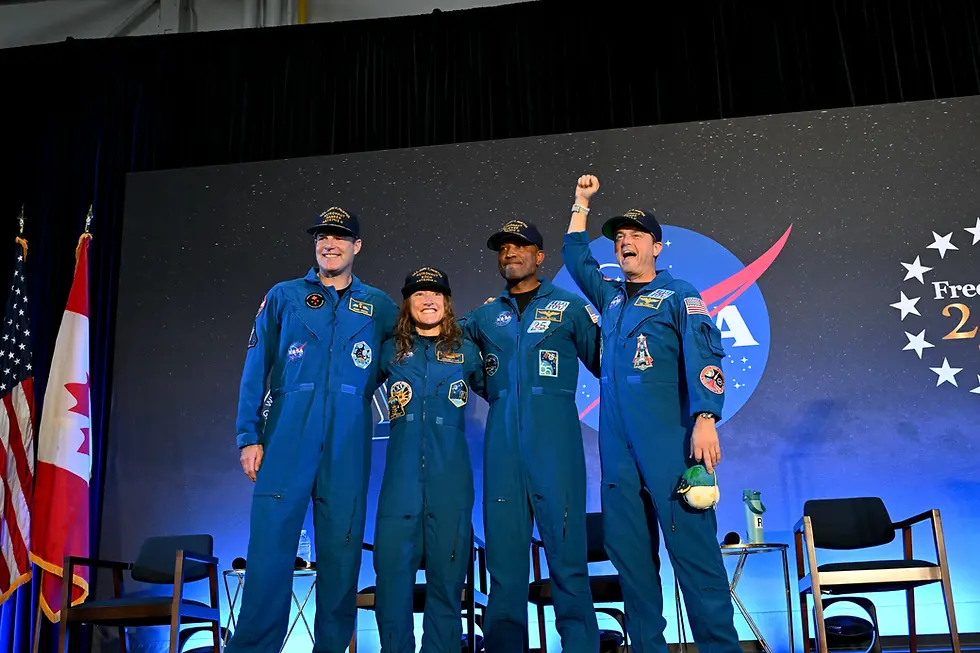
One sign of just how far technology has come is the fact that our smartphones, these light, handheld, touch-screen devices we use every day, are more powerful than the computers NASA used to get Apollo 11 to the moon. The Apollo missions have been on a lot of people’s minds lately, as NASA just completed the Artemis 2 mission, sending four astronauts farther away from Earth than any human has ever gone before. It was an important component of a series of Artemis missions that plan to have astronauts back on the moon in 2028. It is an exciting time for the progression of space exploration, and it’s worth looking back on how past space missions advanced technology beyond the walls of NASA.
Worth the Cost?
I think it is easy to get cynical about spending resources on space. The Artemis 2 launch alone cost American taxpayers over $4 billion, and the Artemis program as a whole will cost over $100 billion by 2030. What’s it all for? Some pretty pictures of the moon? Of Earth? Wouldn’t that money be better spent here, on our planet? I understand that sentiment, I really do, but we get more than you may realize from space exploration.
Not Exactly Rocket Science
What does it take to put a man on the moon? Imagine for a moment that you work for NASA in late May 1961, and President Kennedy has just boldly declared that before this decade is out, we will land a man on the Moon and return him safely to the Earth. How are you going to accomplish that? The United States had its first successful crewed spaceflight only 20 days before JFK’s speech. Computers, as we have them today, did not exist, but you would need a computer more powerful than any in the history of the world to make the necessary calculations for the journey. Making the trip would require a more powerful rocket and exponentially more fuel than any other space mission thus far. Where do you even start?
Fact of the matter is that no individual NASA employee needed to deal with such profound questions on their own. At its peak, the Apollo program employed 400,000 people and required the support of over 20,000 industrial firms and universities. When you have that many people, including some of the smartest people of the era, working together to solve problems, it is only a matter of time and money. Obviously, the Apollo program was able to put a man on the moon and bring him back, but they did so much more. There are so many little things that can go wrong in a space mission, so many problems to solve, so, you invent new solutions that no one has ever thought of or needed before. New technologies that humanity simply had not needed to invent up to this point in history. And what happens to that technology after NASA uses it? They give to us.
NASA Spinoffs
It’s not quite that simple, but NASA’s research is publicly available, and they do provide resources to companies and small businesses with plans to invest in NASA patents and inventions. Honestly, it’s a win-win; NASA does not have the resources or desire to commercialize their discoveries, and no company in the world (short of Apple, Amazon, Microsoft, etc.) can afford the level of research and development that NASA is capable of. Of course, it’s also a big public relations win for NASA, proving actual economic gains to spending money on the air and space administration.
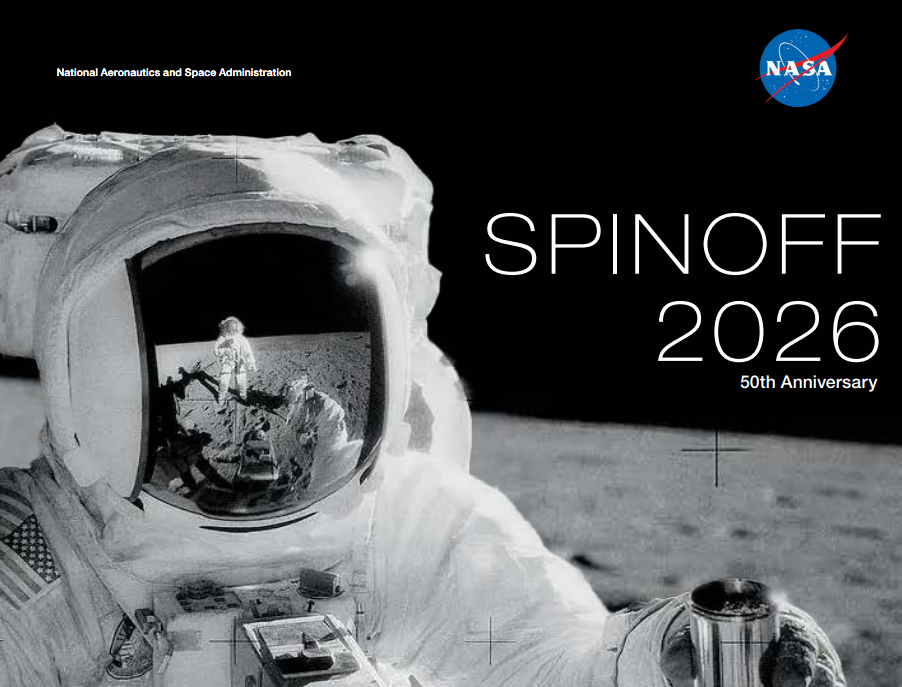
NASA spin-off technologies are all the commercial products and services that have been developed with the assistance of NASA, and there are a lot of them. NASA even has a yearly publication, Spinoffs, that reports these successful commercialization efforts. This year, 2026, is the 50th edition of said publication, and they have reported on well over 2,000 technologies to date. Well-known product spinoffs include memory foam, freeze-dried food, firefighting equipment, DustBusters, cochlear implants, LZR Racer swimsuits, and CMOS image sensors. However, I promised to write on how they improved information technology, so let’s shift our attention to that field.
NASA did not invent the microchip, but their need for additional computing power in the 1960s caused the field to expand immensely. From President Kennedy’s declaration to the Apollo 11 mission, the market for microchips expanded from less than $4 million to $312 million (from $44 million to $3.5 billion in today’s money). Part of this expansion can also be accredited to weapons development during the Cold War, but it was the Apollo Guidance Computer that led and motivated further development of integrated-circuit (microchip) technology. The U.S. government’s need for this technology propped up the industry during these early years, inflating demand and driving down prices to the point that they were attainable for consumers. This allowed the personal computer industry to burst into the scene in the 70s, essentially creating the IT industry as we know it.
If you’re of the “what have you done for me lately” ilk, you might appreciate NASA’s Software Catalog, where the administration has made over 1,200 software programs available to the public for free. NASA satellite data is helping build maps for first responders to use in the middle of disaster areas. NASA helped test and improve a new medical device that requires just a single drop of blood to test for diabetes and cardiovascular, kidney, and thyroid disease. One of NASA’s contractors is even using technology they initially designed to grow plants on Mars to grow flowers for a major perfume company. All of these (and much more) are just from the 2026 edition of Spinoff, which you can read yourself here: NASA-Spinoff-2026.pdf
Innovation for the Benefit of Humanity
This whole blog post has been very NASA-centric, but there are good reasons for that. There have been a lot of privately funded space-related ventures over the past few years, including SpaceX, Blue Origin, and Virgin Galactic, among many others. There have also been many other governments who have made great strides in the field of space exploration (the International Space Station is international for a reason). But none of them can really compare to NASA. All the private space companies are ultimately about making money, like any other private company in the world. They have no incentive to freely share their discoveries, and with the absurdly deep pockets of individuals like Elon Musk and Jeff Bezos at the helm, they can afford to fail in a way that NASA simply cannot.
SpaceX, for example, has had many more failed launches in the last ten years than NASA has had in its entire history. This is not a dig at SpaceX; it is just due to the nature of government programs versus private companies. The Challenger disaster was a national tragedy that suspended Space Shuttle flights for 32 months; the last failed SpaceX launch barely made the news, and they paused launches for less than two weeks.
NASA is worth it. Not just for the sake of human exploration and discovery, but from a cynical, selfish, purely economic perspective, it’s a good investment. Private space companies, especially SpaceX, have done a lot for the field of space exploration, but they are never going to be a replacement for NASA.
NASA is essentially the world’s most ambitious tech incubator, and we get the patents for the price of a few tax dollars. Whether it’s plant-growing tech for your next bottle of perfume or the CMOS sensor in your selfie camera, NASA’s "spinoffs" are the silent backbone of modern IT. So, is space travel worth the cost? If you enjoy having a computer that fits in your pocket instead of a room, the answer is a resounding "yes."


Comments